


Applications
Stone-like PV module wall panels excel in diverse scenarios due to their dual value of aesthetic adaptability and energy efficiency. Unlike traditional solar products limited to rooftops, their cladding function allows seamless integration into almost any exterior, while their stone-like finish addresses the design sensitivity of different building types. Below is a detailed breakdown of their applications, paired with real-world use cases and scenario-specific advantages.
1. Commercial Buildings
Commercial properties prioritize brand image, operational cost control, and compliance with green building standards—all areas where stone-like PV wall panels deliver significant value. They transform facades from passive design elements into active energy assets, aligning with modern corporate sustainability goals.
1.1 High-End Office Towers
Iconic office buildings, especially those in central business districts (CBDs), require facades that balance professionalism with visual distinction. Stone-like PV panels replace conventional granite or marble cladding here, offering both prestige and functionality.
- Adaptability: For example, a 40-story financial tower in Shanghai used panels simulating Italian gray marble—matching the sleek, minimalist aesthetic of adjacent skyscrapers while avoiding the “industrial” look of standard solar panels.
- Energy Impact: The 2,500㎡ facade installation generates 300,000 kWh annually, powering 10 floors of lighting, HVAC systems, and elevator operations. This reduces the building’s grid electricity reliance by 22%, cutting annual energy costs by approximately $45,000.
- Certification Boost: Such installations often contribute to LEED (Leadership in Energy and Environmental Design) or BREEAM (Building Research Establishment Environmental Assessment Method) certifications, enhancing the building’s rental appeal to ESG-focused tenants.
1.2 Luxury Hotels & Resorts
Hotels, particularly boutique or five-star properties, use architecture to convey brand identity—whether it’s rustic charm (e.g., mountain resorts) or contemporary elegance (e.g., urban hotels). Stone-like PV panels adapt to these themes while supporting on-site energy needs.
- Thematic Alignment: A coastal resort in the Mediterranean employed panels mimicking local travertine stone, blending with the region’s natural landscape and avoiding visual disruption to ocean views.
- Practical Value: The panels power 100% of the resort’s outdoor lighting, pool pumps, and spa equipment, reducing diesel generator use (common in remote resorts) by 60%. This not only lowers operational costs but also minimizes noise and air pollution—critical for guest experience.
1.3 Shopping Malls & Retail Complexes
Retail spaces require facades that attract foot traffic and reflect brand positioning (e.g., luxury, family-friendly). Stone-like PV panels offer customization to match these needs while offsetting energy-hungry systems like refrigeration and escalators.
- Brand Synergy: A luxury shopping mall in Paris used panels simulating black marble to complement its high-end tenant mix (e.g., designer fashion brands). The uniform, elegant finish maintained the mall’s upscale image.
- Energy Efficiency: The 1,800㎡ facade generates 216,000 kWh yearly, covering 15% of the mall’s total electricity demand—primarily powering its glass roof’s climate control system, which otherwise accounts for 30% of energy use.
2. Residential Buildings
Residential applications focus on homeowner needs: aesthetic harmony with neighboring properties, long-term cost savings, and minimal maintenance. Stone-like PV panels outperform traditional solar solutions here by avoiding design compromises, a top concern for many residents.
2.1 Luxury Villas & Detached Homes
High-net-worth homeowners often invest in custom exteriors (e.g., natural stone, brick) to reflect personal style. Stone-like PV panels allow them to retain this customization while adopting renewable energy.
- Customization: A villa in California’s Napa Valley used panels mimicking local sandstone, matching the property’s vineyard-inspired architecture. Homeowners could select grain density and color depth to align with existing stone accents on the patio and entryway.
- Energy Independence: The 300㎡ installation generates 36,000 kWh annually—enough to power the home’s HVAC, kitchen appliances, and electric vehicle (EV) charging station. Excess energy is fed into the grid via net metering, earning the homeowner ~$4,200 in annual credits.
2.2 Mid-Rise & High-Rise Residential Complexes
Modern residential towers face two key challenges: limited rooftop space for solar panels and the need for durable, low-maintenance exteriors. Stone-like PV wall panels solve both by utilizing vertical facades.
- Space Efficiency: A 15-story residential complex in Singapore had only 500㎡ of usable rooftop space—insufficient to power its 200 units. Adding 1,200㎡ of stone-like PV panels to the building’s east and west facades tripled the solar capacity, generating 144,000 kWh yearly.
- Cost & Maintenance: The panels replaced aging ceramic tile cladding, eliminating the need for repainting or tile replacement every 10 years. Residents saw a 18% reduction in monthly electricity bills, with the complex’s homeowners’ association (HOA) recouping installation costs in 7 years.
2.3 Old Residential Community Renovations
Many cities are renovating aging residential areas to improve energy efficiency and safety (e.g., replacing cracked concrete exteriors). Stone-like PV panels serve as a “one-stop solution”—upgrading both aesthetics and functionality.
- Renovation Value: A 1980s residential community in Beijing replaced 8,000㎡ of peeling paint and concrete with panels simulating gray granite. The upgrade transformed the community’s outdated appearance, increasing property values by 12%.
- Energy Access: The installation generates 960,000 kWh annually, providing free electricity for common areas (e.g., stairwell lighting, community centers) and reducing grid reliance for residents. This addressed a key complaint: high communal energy fees.
3. Public Buildings
Public buildings (funded by governments or nonprofits) prioritize transparency, sustainability, and public engagement. Stone-like PV panels align with these goals by demonstrating eco-friendly practices without sacrificing architectural integrity—critical for structures that serve as community landmarks.
3.1 Cultural & Heritage Buildings
Museums, art galleries, and historic restoration projects require facades that respect cultural context. Stone-like PV panels are uniquely suited here, as they can replicate historic stone textures while adding modern functionality.
- Heritage Compatibility: A 19th-century museum in Rome, originally clad in local tuff stone, used panels simulating the same material during its 2023 renovation. The panels matched the stone’s porous texture and warm 色调,passing strict heritage preservation reviews.
- Sensitive Energy Use: The 600㎡ installation powers the museum’s climate control system (critical for protecting artifacts), reducing its carbon footprint by 35%. This aligned with the museum’s “Sustainable Heritage” initiative, which educates visitors on green preservation.
3.2 Healthcare Facilities
Hospitals and clinics require 24/7 energy reliability (for life-support systems, refrigeration) and hygienic, easy-to-clean exteriors. Stone-like PV panels support both needs.
- Resilience: A regional hospital in Munich installed 1,500㎡ of panels simulating white limestone (chosen for its clean, sterile appearance). The system generates 180,000 kWh yearly, powering the hospital’s emergency department’s backup lighting and medical equipment chargers.
- Low Maintenance: The panels’ non-porous surface resists mold and pollution, requiring only annual pressure washing—far less upkeep than traditional stone, which often needs sealing every 3 years.
3.3 Transportation Hubs
Airports, train stations, and bus terminals have large, high-visibility facades and high energy demands (for lighting, passenger information systems). Stone-like PV panels turn these facades into energy generators while maintaining a welcoming aesthetic.
- Scale & Impact: A regional airport in Australia installed 5,000㎡ of panels simulating sandstone (matching the local outback landscape). The system generates 600,000 kWh annually, powering 40% of the terminal’s lighting and baggage handling systems.
- Public Engagement: The airport added digital displays near the panels, showing real-time energy production (e.g., “This facade has generated 1,200 kWh today—enough to power 200 homes”). This educates travelers on renewable energy, aligning with the airport’s sustainability outreach.
If you need to deepen the content further, I can help create scenario-specific cost-benefit analyses (e.g., a detailed ROI breakdown for residential complexes vs. commercial towers) or localized application guides (e.g., adapting panels to extreme climates like deserts or cold regions). Would you like either of these?
To find out the leading manufacturer of stone-like PV panels, please click here
Suppliers of Stone like PV module wall panels/
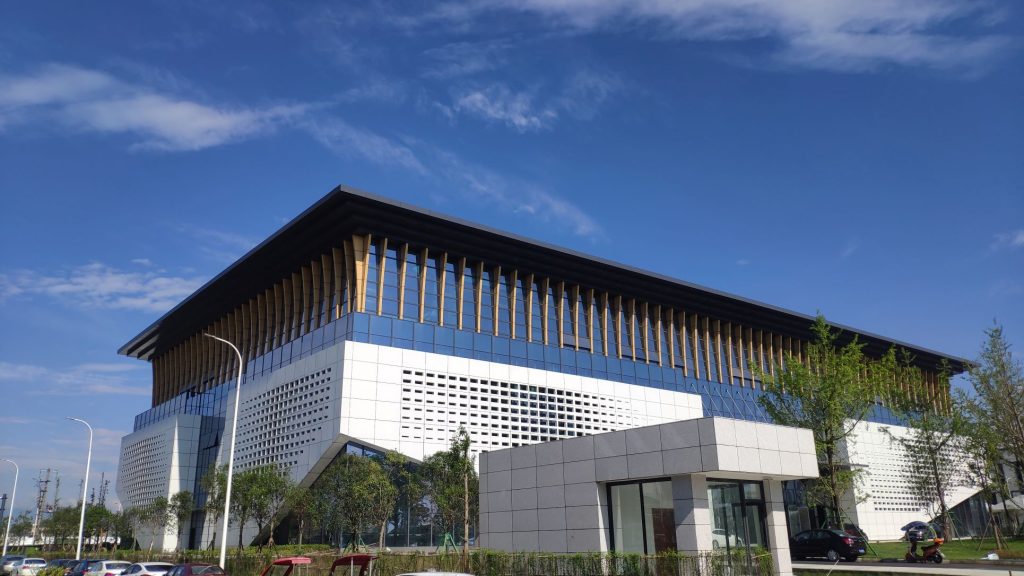
Project case: Pengzhou Aviation Technology Expo Park