


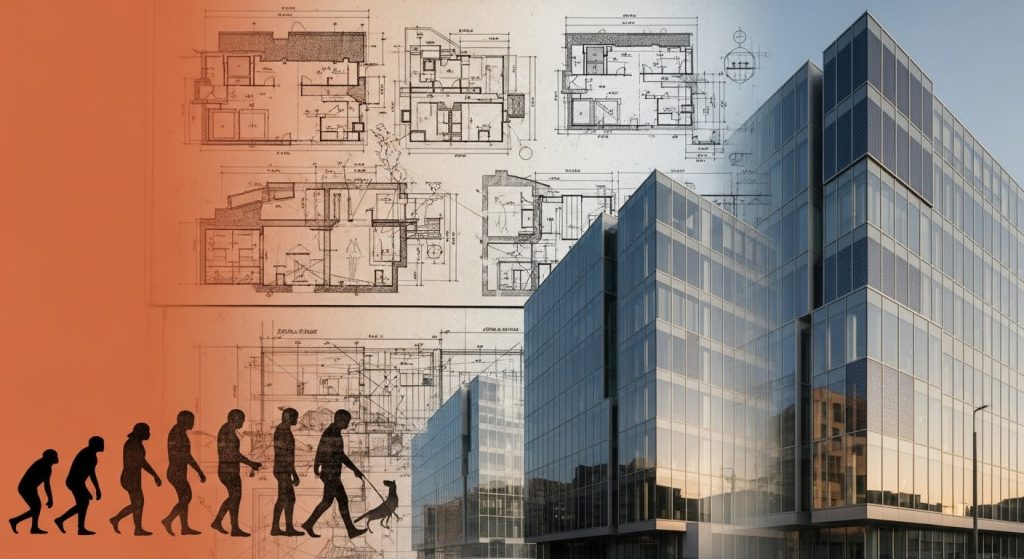
From Rooftops to Facades
The BIPV Revolution Reshaping Smart Cities
Swipe up to explore how Building-Integrated Photovoltaics redefine energy and aesthetics
01. BIPV: More Than Just a Solar Panel
Traditional Solar Panels
- Obtrusive “add-on” installation
- Heavy brackets increase rooftop load
- Only uses limited rooftop space
- Disrupts architectural design
Building-Integrated Photovoltaics (BIPV)
- Integrated as core building material (curtain walls, tiles, shades)
- Combines power generation + weather protection + decoration
- Utilizes all building surfaces (walls, rooftops, facades)
- 80%+ light transmittance (semi-transparent modules)
Iconic BIPV Projects Worldwide
Singapore Sustainability Centre
Full BIPV curtain wall design
52,000 kWh/year generated
Powers itself + feeds surplus to grid
Munich Photovoltaic Apartment
BIPV + balcony railings/roof tiles
40% lower annual electricity bills
Urban landmark with modular design
02. BIPV: The Nerve of Smart Grids
Silent Power for Micro-Grids
BIPV supplies stable distributed energy:
• Peak hours: Feeds power to micro-grids (eases centralized grid pressure)
• Off-peak hours: Stores surplus in energy storage systems
• Creates closed loop: Self-consumption + surplus to grid
AI-Powered Efficiency
Real-time data flow + algorithm optimization:
• BIPV modules transmit generation/consumption data to cloud
• AI adjusts lighting/AC based on sunlight (e.g., 10 AM: prioritize BIPV power)
• 25%+ reduction in overall building energy use
EV Charging Integration
- Rotterdam, Netherlands: BIPV roads power 300 households + EV charging piles
- Tokyo, Japan: BIPV bus stop roofs power lights + emergency EV charging
03. BIPV: Benefits Beyond Energy
Architectural Freedom
Customizable BIPV modules (color: dark gray → light blue; transparency:10%→90%; shape: curved/irregular). Example: Shenzhen Cultural Center’s “ocean wave” BIPV curtain wall (day: power generation; night: dynamic light show).
Heat Island Mitigation
BIPV converts 30-50% solar energy to electricity (reduces heat absorption). Study: 10% BIPV exterior walls → 1.2°C lower summer temperature + 18% less AC energy use.
Decentralized Energy Resilience
2024 Texas Hurricane: Houston BIPV community maintained power (powered homes + hospital emergency equipment). BIPV micro-grids protect cities from grid failures during extreme weather.
04. Breaking Barriers to BIPV Mainstream
1. Cost & Manufacturing
Early challenge: BIPV cost 40-60% higher than traditional solar. Solution: Perovskite thin-film tech (15% annual cost reduction) + modular installation (30% faster construction). Goal 2028: BIPV cost = traditional solar cost.
2. Policy & Regulation
- China: BIPV in Green Building Standards → 10% floor area bonus
- EU: 2030 mandate: All new buildings need BIPV/renewables
- USA: 30% tax credit + BIPV = carbon emission credits
3. Public Awareness
Misconceptions: “Low efficiency” / “Fragile”. Solutions:
• China: 100 BIPV Community Demonstration Sites (open to public)
• Europe: Campus BIPV Program (rooftop installations + school curricula)
05. 2040: A Fully BIPV-Powered Smart City
Morning: You wake in a home with BIPV roof tiles—rooftops charge your storage system.
Commute: You walk on BIPV sidewalks (solar-powered lights + wireless phone charging) and take an electric bus charged at BIPV stops.
Work: Your office’s curved BIPV curtain wall keeps 25°C恒温, powered by the building itself.
Key Improvements by 2040:
• 60% lower PM2.5 (less fossil fuel use)
• 50% lower electricity bills (surplus power = extra income)
• Grid-failure proof cities (BIPV micro-grids protect critical facilities)
Join the BIPV Revolution
Construction firms: Integrate BIPV into designs. Governments: Boost policy support. Citizens: Learn & choose BIPV buildings.