


BIPV curtain wall
Introduction
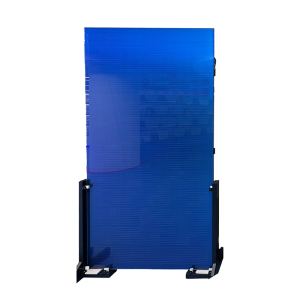
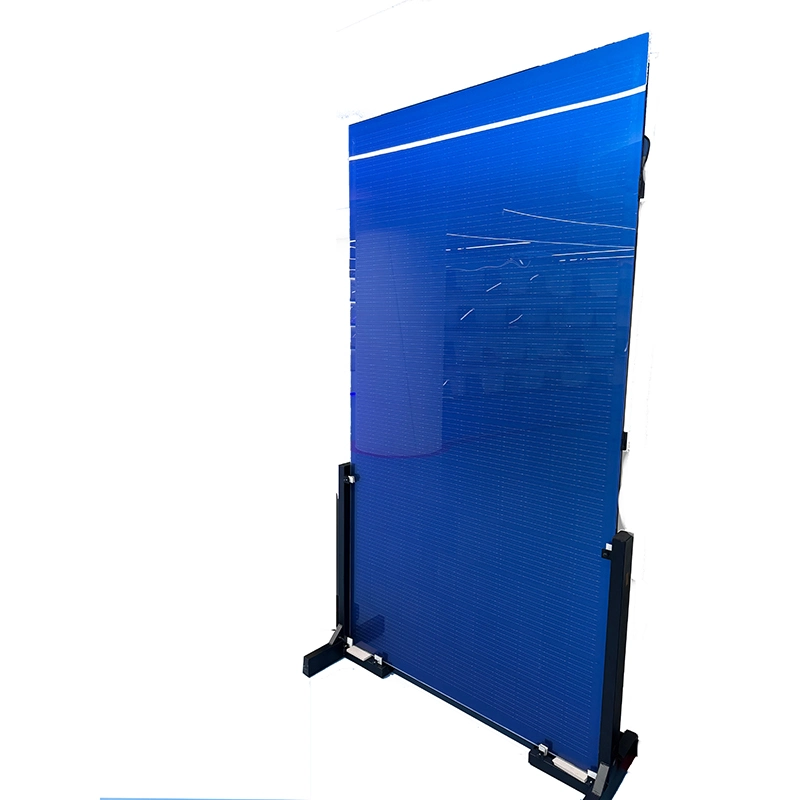
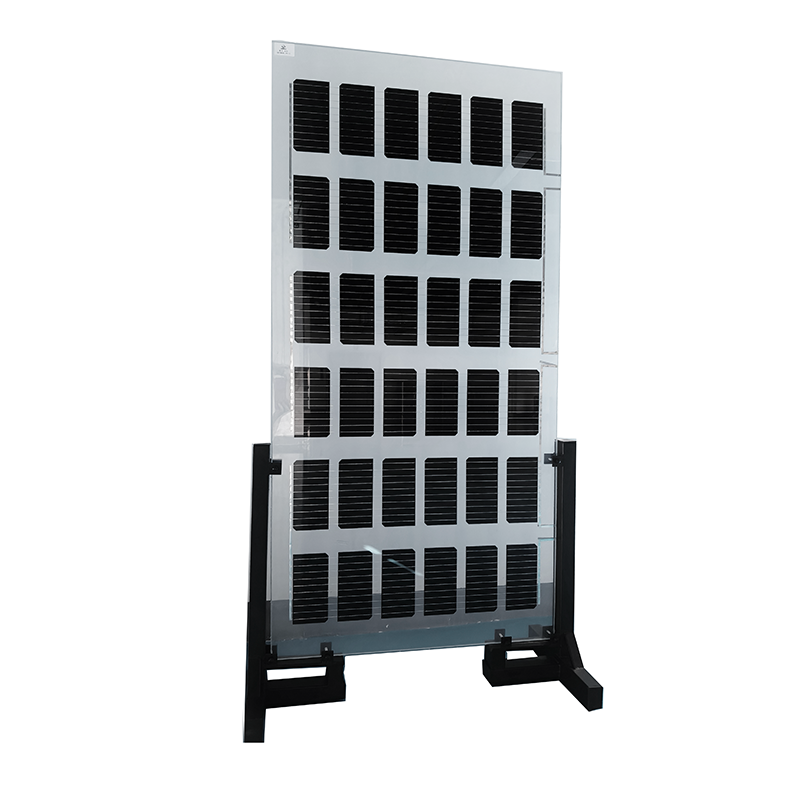
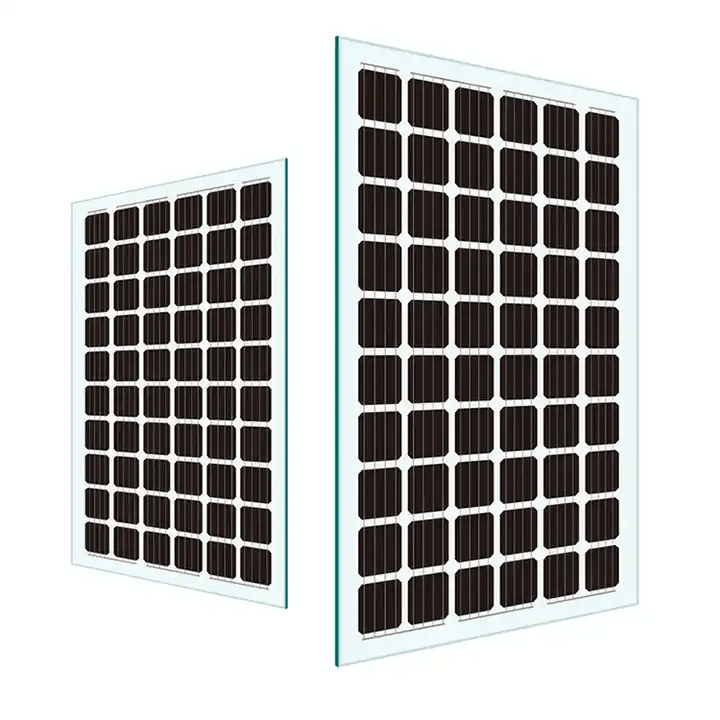
Transparent photovoltaic glass curtain wall is an innovative product that combines solar power generation technology with building curtain walls. It is composed of transparent glass modules and thin film components, which can generate solar power without affecting the appearance of the building.
1. Working principle: Transparent photovoltaic glass modules use the photovoltaic effect to directly convert light energy into electrical energy through semiconductor materials (thin film components). When sunlight hits the surface of the curtain wall, the photons interact with the electrons in the semiconductor material, stimulating the movement of the electrons and thus generating an electric current.
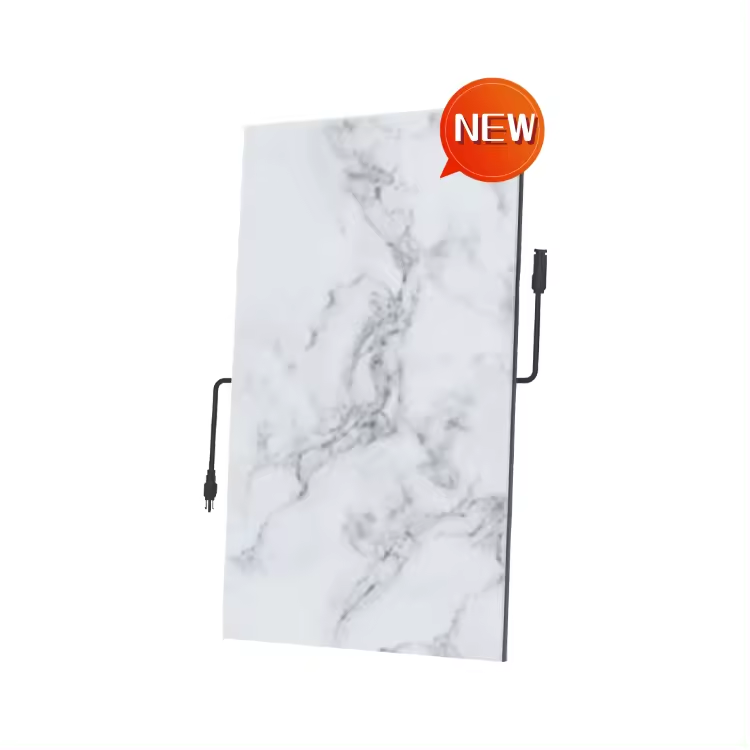
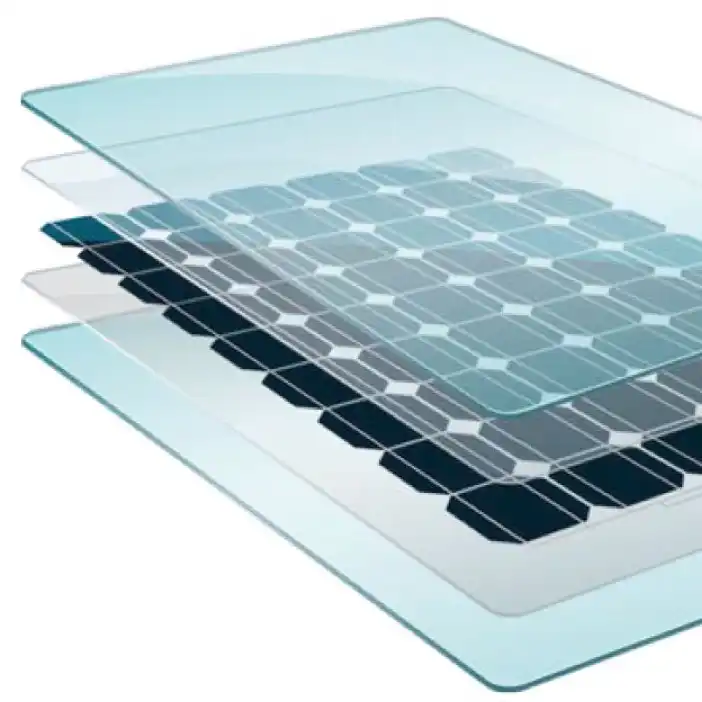
2. Components: Typically include components such as photovoltaic glass, wires, connectors and inverters. The key component is photovoltaic glass, which is composed of multiple layers of specialized materials, including a transparent conductive oxide, a semiconductor layer and a back sheet.
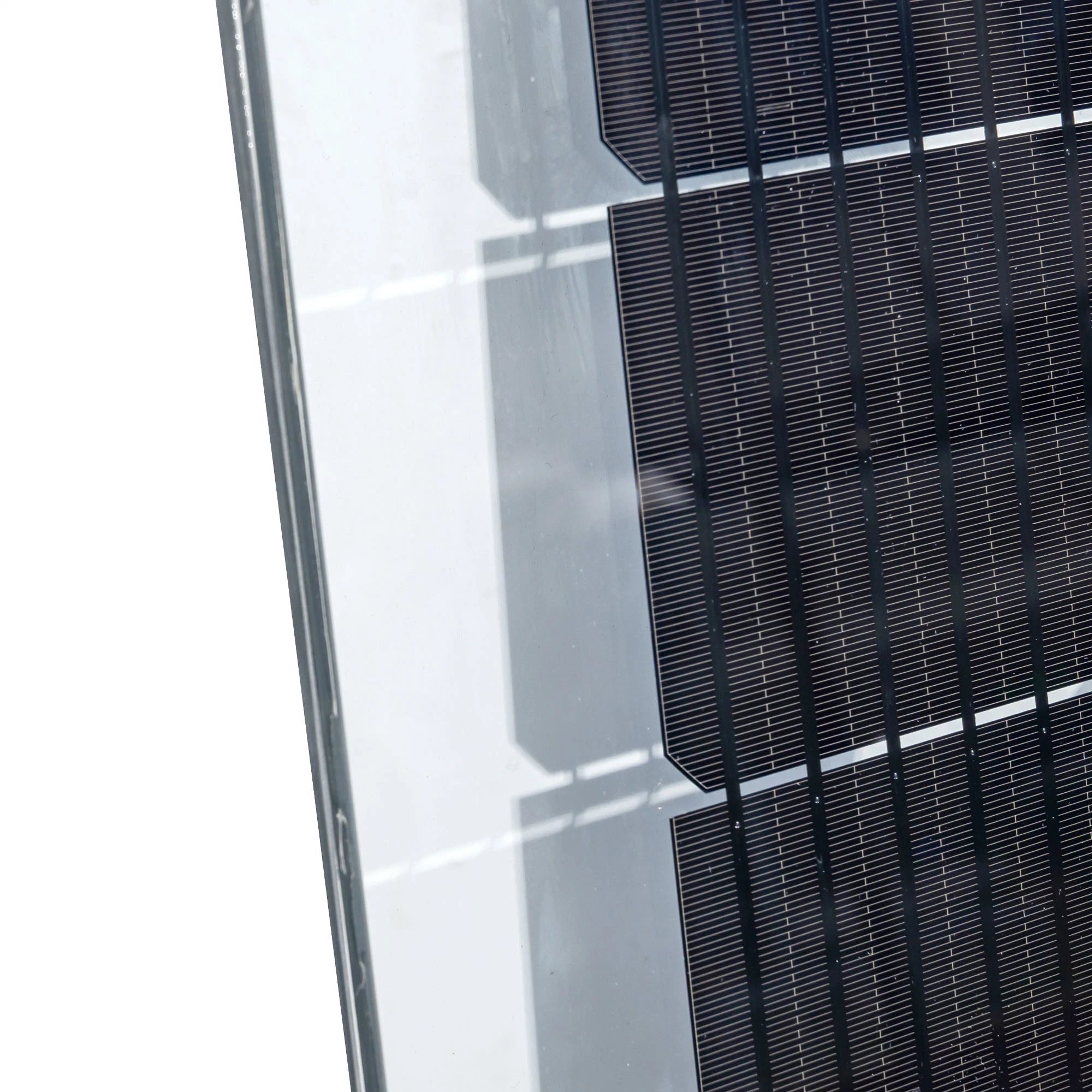
3. Light transmittance: Unlike traditional solar panels, transparent photovoltaic glass curtain walls maintain a high degree of transparency, allowing sunlight to enter the interior of the building through the glass, while also reducing indoor glare.
Overview
Parameter Category | Details of BIPV Solar Module Glass Transparent |
Product Alias | BIPV solar photovoltaic glass, Transparent BIPV Solar Glass |
Base Material | Ultra-white rolled glass |
Light Transmittance | ≥94% |
Thickness | 3.2mm – 6mm (customizable) |
Regular Size | 1600×2400mm (customized size available) |
Photoelectric Conversion Efficiency | 10%-15% higher than industry average (when matched with high-efficiency PV cells) |
Weather Resistance | Withstands high temperature (≤80℃), heavy rain, and UV erosion |
Tempered processing; breaks into obtuse-angled particles to reduce safety risks | |
Customization Support | OEM branding, size, and thickness customization (available for BIPV Solar Module Glass Transparent OEM supplier cooperation) |
Installation Guide
1. Pre-Installation Preparation
- Confirm the installation area: Ensure the rooftop, curtain wall, or sunroom surface is flat, clean, and load-bearing (meets local building codes for BIPV products).
- Tools & Materials: Prepare glass suction cups, waterproof sealants (compatible with photovoltaic glass), aluminum profiles (for framing), screws, and a level ruler.
- Check Products: Inspect BIPV Solar Module Glass Transparent for cracks, scratches, or specification mismatches before installation.
2. Step-by-Step Installation Process
- Install the framing structure: Fix aluminum profiles on the installation surface using expansion screws, ensuring the frame is level (use a level ruler for calibration).
- Place the glass modules: Use suction cups to lift BIPV Solar Module Glass Transparent and place it into the frame; leave a 5-8mm gap between adjacent modules for thermal expansion.
- Seal & waterproof: Apply waterproof sealant along the gaps and edges of the modules to prevent water leakage (pay special attention to rooftop or outdoor installation areas).
- Connect the photovoltaic system: Connect the glass modules to the inverter and power grid (operated by professional electricians to comply with electrical safety standards).
- Test & inspect: Turn on the system to test power generation performance; check the sealant adhesion and module stability to ensure no loose parts.
3. Key Notes & Cost Reference
- Professional Operation: It is recommended to hire certified installers for BIPV Solar Module Glass Transparent installation to avoid safety hazards or performance issues.
- Cost Factors: The cost to install BIPV Solar Module Glass Transparent varies by installation area (commercial projects usually cost 8−12 per square foot, residential projects 10−15 per square foot), construction difficulty, and local labor fees—contact our team for a detailed cost estimate.
- Maintenance Tips: Clean the glass surface with a soft cloth and neutral detergent every 3-6 months; inspect the sealant and electrical connections annually to ensure long-term stable operation.
Technical Data Sheet
| STC | ||
| Transmittace Vlt | % | 50 |
| Power Output Pmax | W | 410 |
| Open Circuit Voltage Voc | V | 77.5 |
| Short Circuit Current Isc | A | 6.43 |
| Working Voltage | V | 66.1 |
| Working Current | A | 6.21 |
| Structural Specification | ||
| Size of Module | MM | 2000X1200X15.04 |
| Thickness of Glass | MM | 6+6 |
| Weight | KG | 90.2 |
| Type of Cell | MM | 182 |
| Film | – | PVB/POE/EVA |
| Connector | – | MC4 |
| J-box Prating | – | IP67 |
| Length of Connector | CM | 90 |
| Package | – | Wooden Crate |
| Temperature Characteristics | ||
| Nominal Module Operating Temperature | ℃ | 45 |
| Temperature Coefficient(Pmax) | %/℃ | -0.38 |
| Temperature Coefficient Voc | %/℃ | -0.36 |
| Temperature Coefficient Isc | %/℃ | 0.07 |
| Performance Parameters | ||
| Maximum System Voltage | V | 1500 |
| Maximum Fuse Rated Current | A | 20 |
| Specification | Structural/mm | Color | Power |
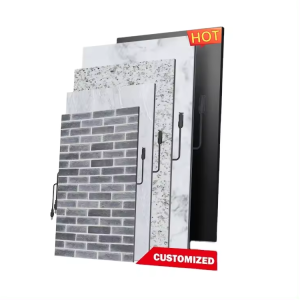
| 2300*1200*19 mm | 8+1.52+cell+1.52+8 | Colors | 265~455 watts The power varies according to the colors |
| 2300*1200*15 mm | 6+1.52+cell+1.52+6 | Colors | 265~455 watts The power varies according to the colors |
| 1600*800*13.5 | 6+0.76+cell+0.76+6 | Colors | 120~205 watts The power varies according to the colors |
| 1200*600*8 | 3.2+0.76+cell+0.76+3.2 | Colors | 68~116 watts The power varies according to the colors |
| 1600*1000*13.1 | 6+0.55+cell+0.55+6 | Vlt 33% | 235 watts OE FILM |
| 1600*1000*7.5 | 3.2+0.55+cell+0.55+3.2 | Vlt 33% | 235 watts OE FILM |
Advantages:
1. Energy self-sufficiency:
Transparent photovoltaic glass curtain walls can convert solar energy into electrical energy, providing part or all of the building’s power needs, thereby reducing dependence on traditional energy.
2. Environmental protection and energy saving:
Using solar energy to generate electricity reduces the emission of greenhouse gases such as carbon dioxide, reduces the energy consumption of buildings, and is more environmentally friendly.
3. Transparent and beautiful:
Unlike traditional solar panels, transparent photovoltaic glass curtain walls maintain the transparency of the glass and do not affect the appearance and lighting of the building.
Applications:
- BIPV roofs,
- BIPV curtain walls,
- BIPV shading,
- BIPV greenhouses,
- Sunroom,
- outdoor photovoltaics
- photovoltaic venues, etc.

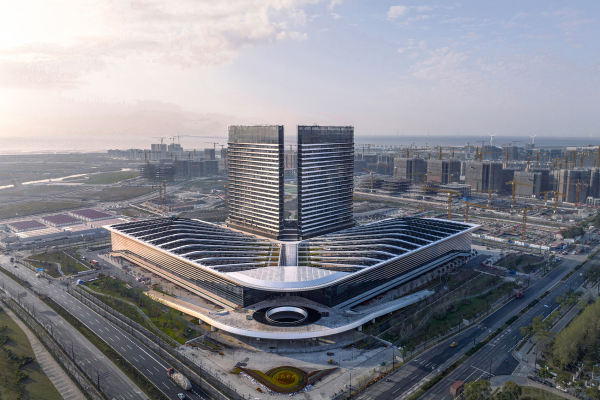
Xiamen Free Trade Zone Gangwu Building
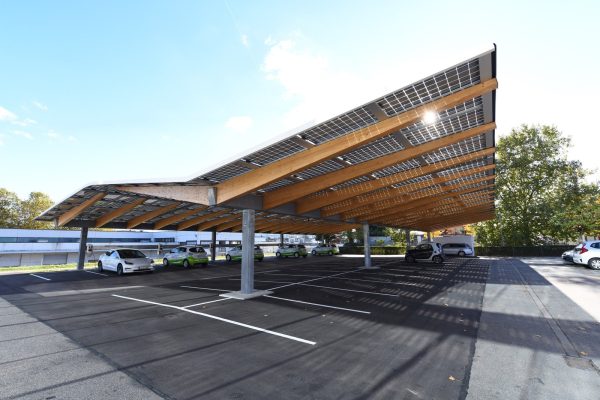
BIPV carport
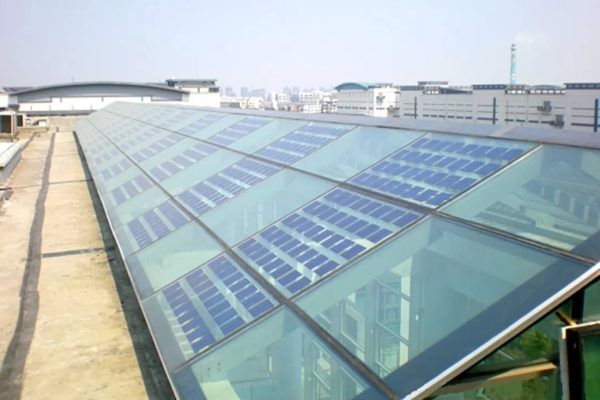
BIPV roof skylight