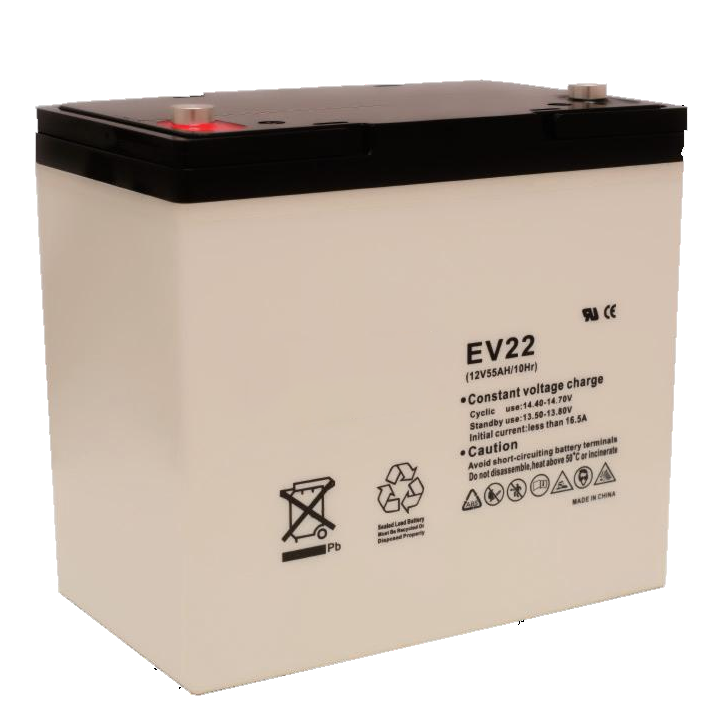


AGM battery separators are made of absorbent glass mat (AGM), which holds the electrolyte within the glass mat, providing spill-proof, vibration-resistant, and high/low temperature resistance. PE battery separators, on the other hand, are typically made of polyethylene. Compared to AGM, PE separators may not be as robust, but they are less expensive.
AGM Battery Separator (Absorbent Glass Mat)
Advantages:
Spill-proof: The electrolyte is absorbed into the glass mat, preventing spillage even when the battery is tilted or vibrated, resulting in higher safety.
Robust Structure: The space between the glass mats can hold the electrolyte and provide stronger structural support, enhancing vibration resistance.
Disadvantages:
Higher Cost: The manufacturing process and materials for AGM batteries are relatively expensive.
Temperature Sensitivity: Sensitive to temperature changes; extreme temperatures may affect performance.
PE Battery Separator (Polyethylene)
Advantages:
Lower Cost: PE materials are generally less expensive than AGM materials.
Disadvantages: The structure may not be as robust as AGM: its vibration resistance may be slightly inferior to AGM.
Safety: PE separators may be less safe than AGM in certain situations.
Summary
Features: AGM Separator PE Separator
Materials: Absorbent Glass Pad (AGM), Polyethylene (PE)
Advantages: Spill-proof, robust structure, vibration resistant, lower cost
Disadvantages: Higher cost, temperature sensitive, less robust structure than AGM
The choice of separator depends on the specific application requirements and cost considerations. If you have high requirements for battery safety and durability and your budget allows, then AGM separators are a better choice. If you are more cost-sensitive, PE separators are also a viable option, but may require trade-offs in other areas.