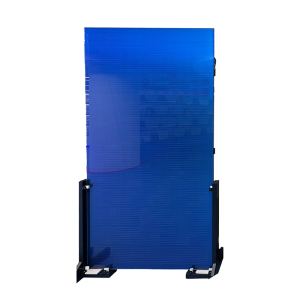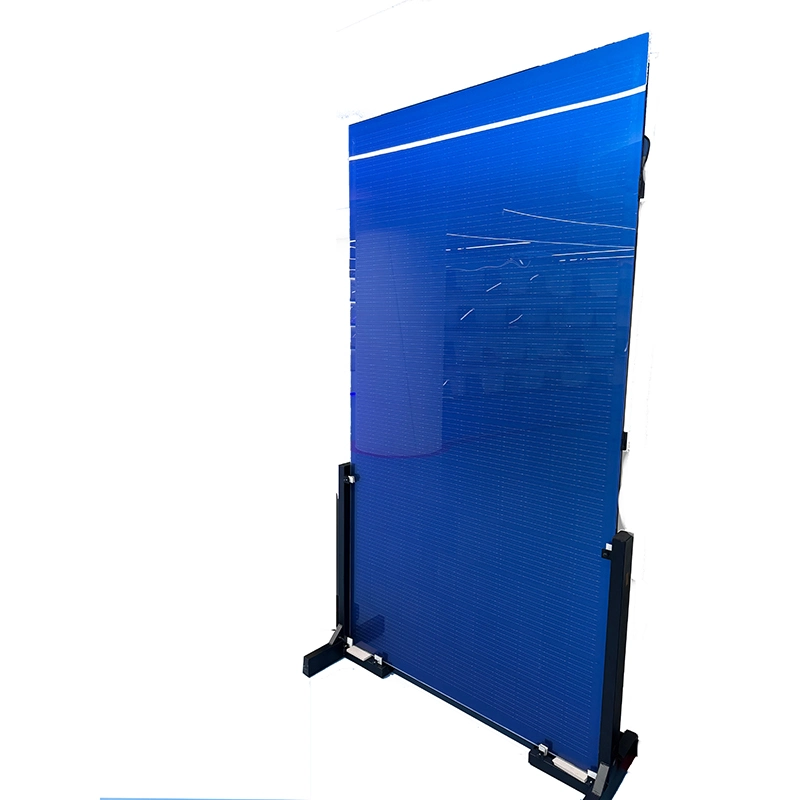


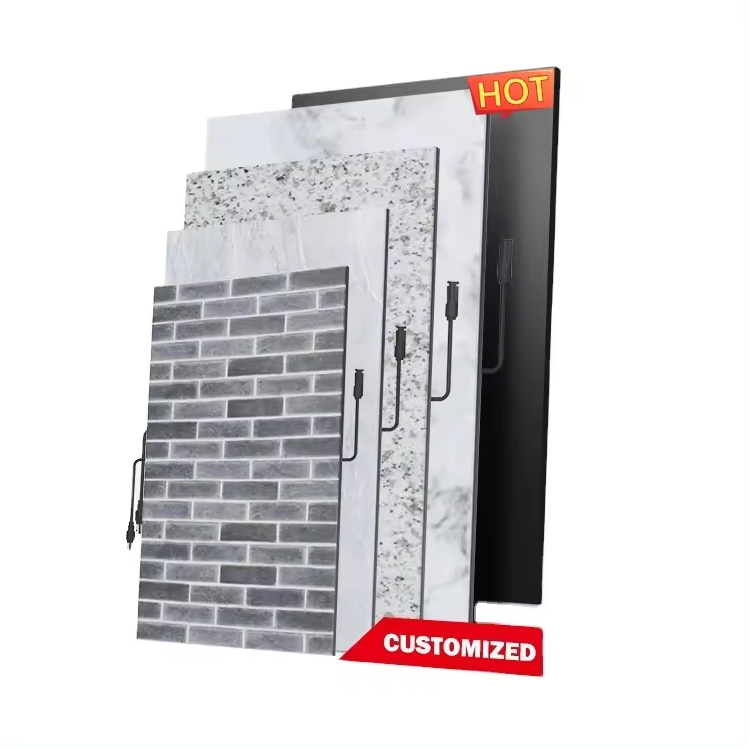
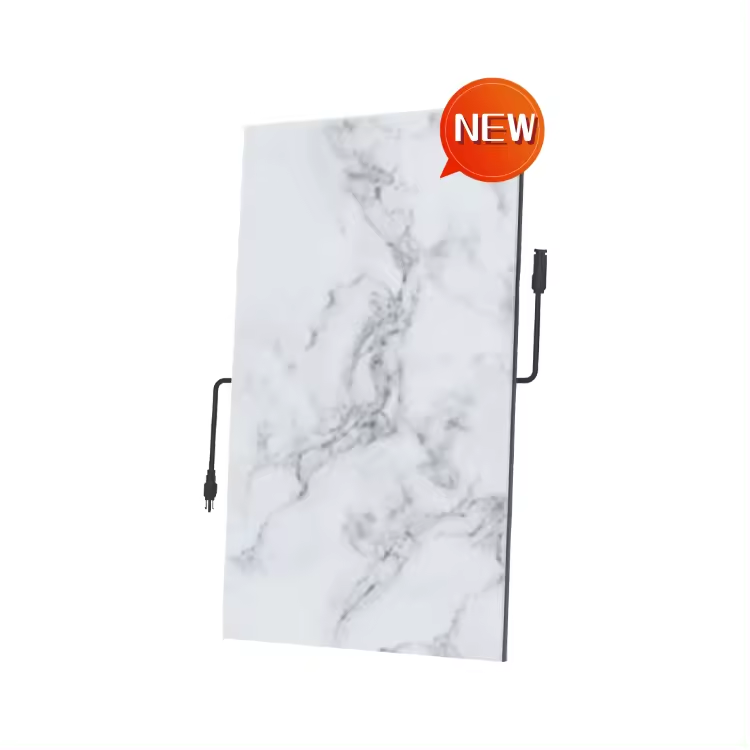
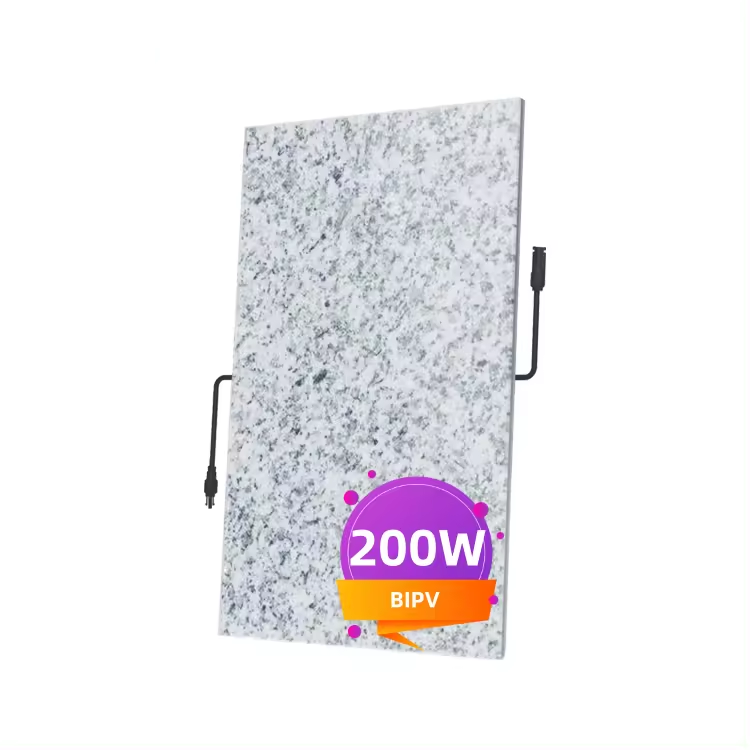
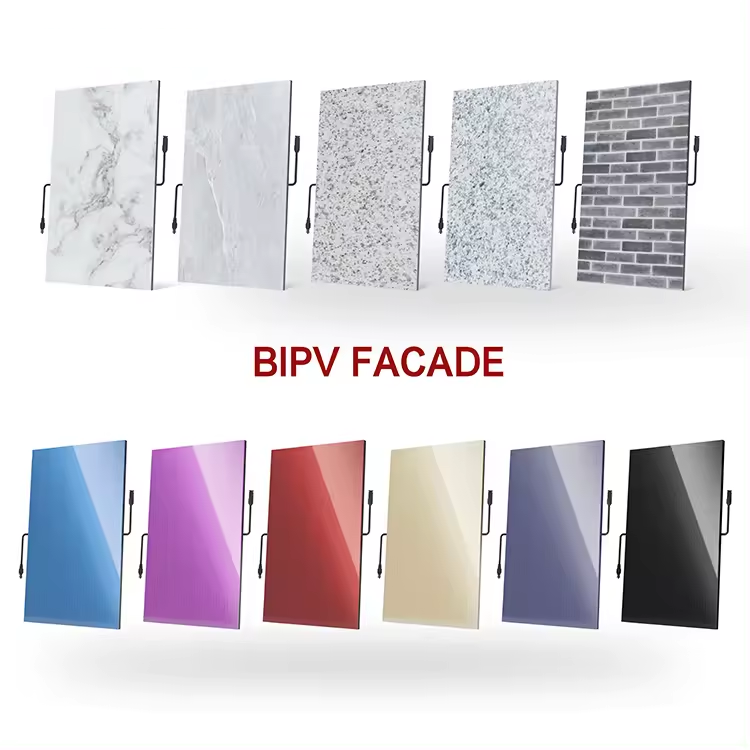
Stone-like PV Module Wall Panels
Introduction
Against the global drive for carbon neutrality and the rapid evolution of sustainable architecture, stone-like PV module wall panels have emerged as a groundbreaking innovation in the field of building-integrated photovoltaics (BIPV). Unlike traditional solar products that prioritize functionality over aesthetics, this technology seamlessly merges the timeless elegance of natural stone with the energy-generating capability of photovoltaic systems. It addresses a long-standing pain point in green construction—where solar installations often disrupt a building’s design harmony—by turning exterior walls into both a visual centerpiece and a clean energy powerhouse. This document delves into its technical fundamentals, core advantages, real-world applications, and future prospects, shedding light on how it redefines the synergy between building performance and environmental responsibility.
What are Stone-Like PV Module Wall Panels
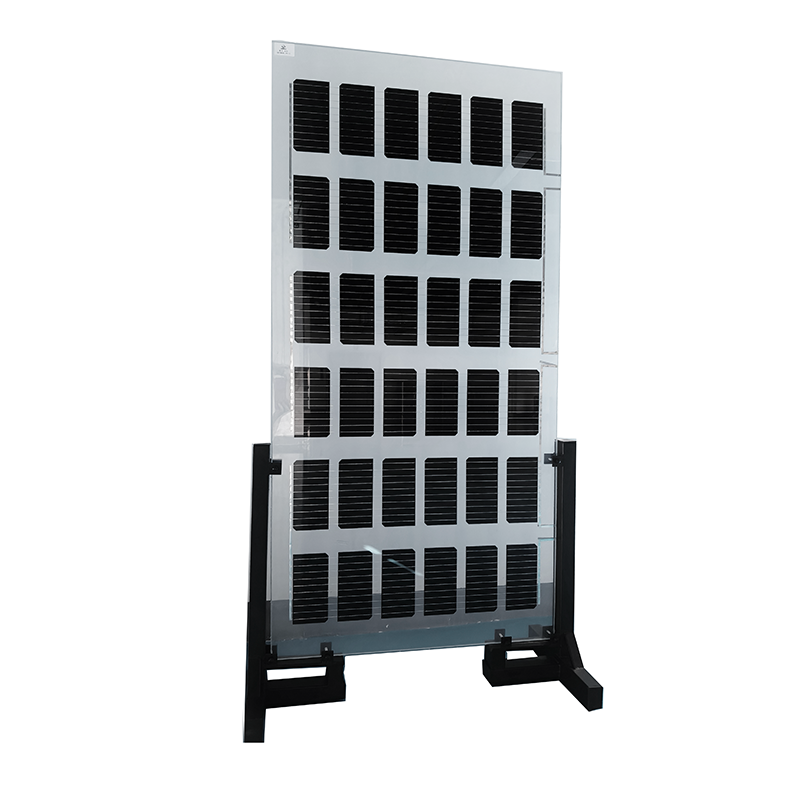
Stone-like PV module wall panels are advanced BIPV products designed for exterior wall applications, engineered to replace conventional cladding materials (e.g., natural stone, ceramic tiles) while generating electricity. At their core, they consist of five key layers, arranged from exterior to interior: a scratch-resistant, weatherproof surface layer (simulating stone textures via ceramic composite coatings or high-molecular 仿真 films), a high-transmittance tempered glass cover, a photovoltaic cell layer (typically monocrystalline or polycrystalline silicon with advanced passivation technology), an insulating backsheet (e.g., ethylene-vinyl acetate, EVA), and a structural support layer for installation.
Unlike standalone solar panels that require additional mounting structures, these wall panels function as both building envelope components and energy generators. Their stone-like finish is not just cosmetic—manufacturers use 3D scanning and inkjet printing technologies to replicate the texture, color, and grain of natural stones (such as marble, granite, and travertine) with over 90% visual fidelity, ensuring compatibility with diverse architectural styles, from classical to modern.
Working Principle
The energy-generating capability of stone-like PV wall panels relies on the photovoltaic effect, a physical process where semiconductors (e.g., silicon in solar cells) convert sunlight into electrical energy. The working cycle can be broken down into three key steps:
- Light Absorption: When sunlight hits the panel’s surface, the high-transmittance glass and stone-like coating allow most visible and near-infrared light to reach the photovoltaic cells. The cells absorb photons, which energize electrons in the semiconductor material, breaking them free from their atomic bonds.
- Electricity Generation: The energized electrons flow through the cell’s internal circuit (equipped with conductive grids) to form a direct current (DC). This current is collected by busbars within the panel and transmitted to a junction box.
- Power Conversion: A solar inverter connected to the junction box converts the DC into alternating current (AC)—the standard power used for building loads. For grid-connected systems, excess electricity can be fed into the public power grid via net metering, while off-grid setups store surplus power in batteries for later use. Advanced models also integrate maximum power point tracking (MPPT) technology to optimize energy output under varying light conditions (e.g., cloudy weather, partial shading).
Features and Advantages
1. Aesthetic Appeal
Their greatest differentiator lies in design versatility. By mimicking natural stone’s texture and color, the panels eliminate the “industrial look” of traditional solar products. Manufacturers offer customizable options, from the warm tones of Italian marble to the rugged grain of granite, enabling them to blend with historic buildings, luxury residences, and modern commercial towers alike. In projects like high-end hotels or cultural landmarks, this ensures green upgrades do not compromise architectural integrity.
2. Energy-Generation Efficiency
Equipped with state-of-the-art solar cells (e.g., PERC, TOPCon, or HJT cells), the panels deliver a conversion efficiency of 18% to 23%—on par with premium rooftop solar panels. Their vertical installation (as wall cladding) also offers unique advantages: in high-latitude regions, vertical surfaces receive more diffused sunlight in winter, balancing seasonal energy output. A typical 100㎡ wall installation can generate 12,000 to 15,000 kWh annually, meeting 30% to 50% of a medium-sized household’s electricity needs.
3. Durability and Reliability
Built for long-term outdoor use, the panels undergo rigorous testing to withstand harsh environmental conditions. The stone-like surface layer resists UV radiation, acid rain, and mechanical scratches (meeting IEC 61730’s durability standards), while the backsheet and sealants prevent water ingress and corrosion. Most products come with a 25-year power output warranty (guaranteeing ≥80% efficiency after 25 years) and a 10-year product warranty, outperforming traditional stone cladding (which often requires replacement every 15 to 20 years).
4. Insulating Properties
As part of the building envelope, the panels enhance thermal performance. The air gap between the panel and the building’s main wall, combined with the insulating backsheet, reduces heat transfer. Tests show the panels achieve a thermal transmittance (U-value) of 0.3 to 0.5 W/(㎡·K), comparable to high-performance insulation materials. This cuts heating and cooling energy consumption by 15% to 20%, further lowering a building’s carbon footprint.
5. Cost-Effectiveness
While upfront costs are 20% to 30% higher than traditional stone cladding, the panels deliver long-term economic returns. By offsetting electricity bills and (in many regions) earning feed-in tariffs for grid-connected power, they typically achieve an investment payback period of 5 to 8 years. Over their 25-year lifespan, the total savings from energy and maintenance (no need for regular stone cleaning or repair) far exceed the initial investment.
Applications
1. Commercial Buildings
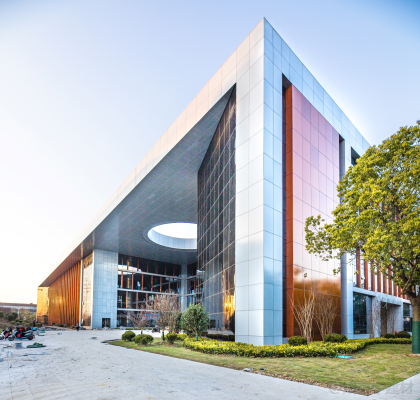
Office towers, shopping malls, and luxury hotels are prime applications. For example, a 50-story office building using stone-like PV wall panels can generate enough electricity to power its lobby lighting, elevators, and HVAC systems during peak hours. The panels also enhance a brand’s green image—retail malls, in particular, use the stone-like design to attract eco-conscious consumers while reducing operational costs.
2. Residential Buildings
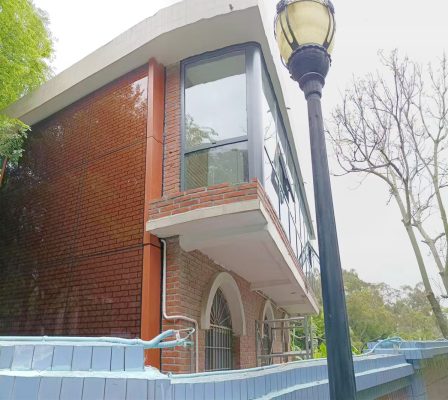
In villas and high-end residential complexes, the panels replace traditional stone or tile cladding to add both value and functionality. Homeowners benefit from reduced electricity bills and potential property value increases (studies show green features like BIPV can boost resale value by 10% to 15%). The customizable design also allows homeowners to match the panels to their home’s exterior style, avoiding the “solar panel” aesthetic that some find unappealing.
3. Public Buildings
Schools, hospitals, and government buildings leverage the panels to align with public sustainability goals. For instance, a university campus using the panels on its library exterior can power its computer labs and lighting, while teaching students about renewable energy. Hospitals, which require 24/7 power, use the panels to supplement emergency backup systems, enhancing energy resilience.
Market Status and Development Trends
Current Market Status
The global stone-like PV wall panel market is growing rapidly, driven by supportive policies (e.g., China’s “14th Five-Year Plan” for BIPV, the EU’s Green Deal) and rising demand for aesthetic solar solutions. According to market research firm PV InfoLink, the global BIPV market (including wall panels) reached $8.2 billion in 2024, with stone-like products accounting for 15% of this share. Asia-Pacific (especially China and Japan) is the largest market, followed by Europe (Germany, France) and North America.
Future Trends
Three key trends will shape the technology:
- Material Innovation: Researchers are developing thinner, lighter panels using flexible solar cells (e.g., 钙钛矿 cells) to expand design possibilities, including curved or irregular wall surfaces.
- Smart Integration: Future panels will incorporate IoT sensors to monitor energy output, temperature, and structural health in real time, enabling predictive maintenance.
- Circular Design: Manufacturers are exploring recyclable materials for the stone-like layer and solar cell components, aligning with circular economy goals to reduce end-of-life waste.
Installation and Maintenance
Installation
Professional installation is critical to ensure safety and performance. Key steps include:
- Structural Assessment: Engineers evaluate the building’s wall load-bearing capacity to ensure it can support the panels (typically 15 to 20 kg/㎡).
- Mounting Frame Installation: Aluminum or stainless steel frames are fixed to the wall to create a level, stable base, with waterproof gaskets to prevent water seepage.
- Panel Installation: Panels are clipped onto the frames, with electrical connections made via weatherproof connectors. The final step involves testing the electrical system to ensure proper grounding and power output.
Maintenance
Routine maintenance is minimal:
- Cleaning: The stone-like surface should be cleaned once or twice a year with water and a mild detergent to remove dust and dirt (avoid abrasive cleaners that scratch the surface).
- Electrical Checks: Every 2 to 3 years, a professional should inspect the inverter, wiring, and junction boxes for damage or corrosion. IV curve testing can also verify if cells are operating at peak efficiency.
- Sealant Replacement: After 10 years, replace aging sealants around the panels to maintain waterproofing.
Conclusion
Stone-like PV module wall panels represent a paradigm shift in green building—they are no longer just “solar products” but integral, high-performance building components that unify aesthetics, energy efficiency, and durability. As global policies push for net-zero buildings and consumers demand more sustainable, visually appealing designs, this technology will play a pivotal role in accelerating the transition to low-carbon cities. Its ability to turn ordinary walls into clean energy assets not only reduces environmental impact but also reimagines what modern architecture can achieve: functional, beautiful, and in harmony with the planet.
Product Parameters
| Specification | Structural/mm | Color | Power |
| 2300*1200*19 mm | 8+1.52+cell+1.52+8 | Colors | 265~455 watts The power varies according to the colors |
| 2300*1200*15 mm | 6+1.52+cell+1.52+6 | Colors | 265~455 watts The power varies according to the colors |
| 1600*800*13.5mm | 6+0.76+cell+0.76+6 | Colors | 120~205 watts The power varies according to the colors |
| 1200*600*8mm | 3.2+0.76+cell+0.76+3.2 | Colors | 68~116 watts The power varies according to the colors |
| 1600*1000*13.1mm | 6+0.55+cell+0.55+6 | Vlt 33% | 235 watts OE FILM |
| 1600*1000*7.5mm | 3.2+0.55+cell+0.55+3.2 | Vlt 33% | 235 watts OE FILM |
Project Cases