


PV Sunrooms, Costs, and Advantages of Photovoltaics (PV)
1. Introduction to PV Sunrooms
- Core Design & Function: PV sunrooms adopt double-glass bifacial PV modules (with solar cells protected between two glass layers). This structure has existed for nearly a decade and now features mature technology and continuously improved conversion efficiency, enabling higher power generation per unit area.
- Dual Benefits:
- It blocks intense sunlight to provide a comfortable indoor environment.
- It generates electricity, and an energy storage system is usually installed to store the power produced.
- Power Generation Capacity: A 50-60 square meter PV sunroom typically has an installed capacity of 10 kW. On average, it generates 30-46 kWh of electricity per day, and can even exceed 46 kWh on sunny days. This output is sufficient to meet the daily electricity needs of a household (such as lighting and air conditioning), which usually consumes about 300 kWh per month.
2. Cost of PV Sunrooms
The overall cost is relatively affordable, consisting of two main parts:
- Roof PV Module Cost: Approximately 1,000 RMB per square meter.
- Energy Storage System Cost: About 2,000 RMB per kWh. For example, a 10 kWh integrated energy storage unit costs around 20,000 RMB.
3. Advantages of China’s PV Industry & PV Applications
Advantages of the Industry
- Global Leadership: China’s PV industry is recognized as a world-leading sector, comparable to high-speed rail in terms of international competitiveness (“dominating the global market”). It leads the world in three key aspects: raw material (polysilicon) production (accounting for 90% of global capacity), domestic PV equipment manufacturing (all localized), and global PV application scale (accounting for 1/3 of the world’s total).
- Technological Maturity & Cost Reduction: After over a decade of development, PV technology has become increasingly mature, and the cost of PV projects (including equipment and installation) has been continuously decreasing, laying a solid foundation for its widespread promotion.
- Policy & Market Drivers: It aligns with China’s “carbon peaking and carbon neutrality” goals and the construction of a new power system dominated by new energy, which provides strong policy support. Meanwhile, the expanding market demand (with the current domestic installed capacity less than 50 GW, and an expected annual growth of 100 GW in the next decade, leading to a 20-fold increase in market space) further drives the industry’s development.
Diverse PV Application Scenarios
Beyond PV sunrooms, PV technology is widely applied in various scenarios, such as PV carports, PV buildings (dubbed “PV castles” or “PV office buildings”), and ground-mounted PV systems. These applications not only help buildings achieve near-zero energy consumption but also embody the Chinese wisdom of “adapting to local conditions” in energy utilization.
https://www.Windsorose.com
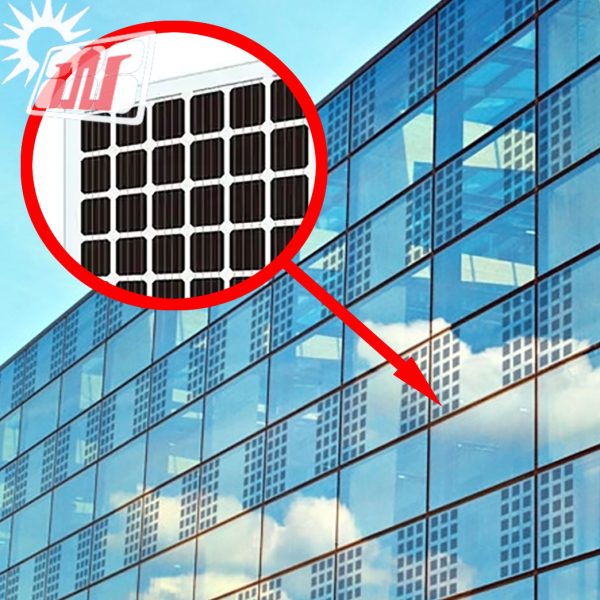
Transparent photovoltaic glass…
BIPV Curtain wall – Making skyscraper glass curtain walls solar-powered
As a professional BIPV Glass manufacturer and BIPV Solar Module Glass Transparent supplier, we specialize in high-quality transparent photovoltaic glass (also known as BIPV solar photovoltaic glass). Our products cover full-service solutions from BIPV Solar Module Glass Transparent OEM customization to bulk wholesale, catering to both BIPV Solar Module Glass Transparent for commercial use and residential use. With excellent light transmittance, weather resistance, and mechanical strength, our BIPV Solar Module Glass Transparent for sale is the best BIPV Glass for rooftop and building curtain walls. We offer competitive BIPV Solar Module Glass Transparent price, reliable after-sales service, and 10-year product warranty plus 25-year power attenuation warranty—contact us now for quotes or cooperation!